May 14, 2026
Commercial gyms are everywhere in Edmonton. Large facilities, low monthly fees, endless rows of equipment, and 24-hour access have made “large-scale, warehouse-style” fitness the default option for years. For some people, that setup works perfectly well. They know how to train, prefer independence, and simply need a place to work out.
A different pattern shows up for many adults after the first few months. Workouts become inconsistent. Programs change every two weeks.
Machines run nonstop during busy evening hours. Motivation can depend on energy, stress, weather, or how crowded the gym is after 5 pm.
That gap between “having a gym membership” and making progress is a key reason private gyms grew fast in Edmonton. People are no longer looking only for equipment access. More often, they want structure, accountability, and a training environment that feels focused instead of chaotic.
The difference is even clearer for adults with busy schedules, injuries, joint pain, or long breaks from fitness. Walking into a packed commercial gym after work can feel mentally exhausting before the workout even begins. A quieter, coach-led setting changes that experience completely.
What Is a Public Gym?
Most public gyms in Edmonton follow the same model: large membership volume, open access to equipment, and self-directed training. Members pay a monthly fee and use the facility independently, often with the option to attend group fitness classes or purchase personal training separately.
The appeal is obvious. Public gyms are accessible, widely available across the city, and usually cheaper than private training facilities. Many offer extensive equipment selections, long operating hours, saunas, turf areas, cardio sections, and amenities designed to attract a broad range of members.
For experienced gym-goers who already understand programming, recovery, and exercise technique, that flexibility can work well. They can build their own routines, train on their own schedule, and move through workouts without much assistance.
The experience changes during Edmonton’s peak gym hours. Between roughly 4pm and 7pm, many commercial gyms become crowded enough that members wait for benches, squat racks, cable stations, or popular machines. Workouts often become less structured simply because equipment availability dictates exercise selection.
The public gym model also places most of the responsibility on the individual member. Outside of an initial orientation or occasional trainer interaction, people are expected to manage their own programming, track progress, adjust exercises, and stay consistent without much accountability. That independence works for some people. Others end up repeating the same workouts for months, jumping between online programs, or training inconsistently without a clear plan for progression.
What Is a Private Gym?
A private gym operates on a completely different model than a traditional commercial fitness facility. The focus is not on maximizing the number of memberships sold. The focus is usually centered around coaching, structure, and a more controlled training environment.
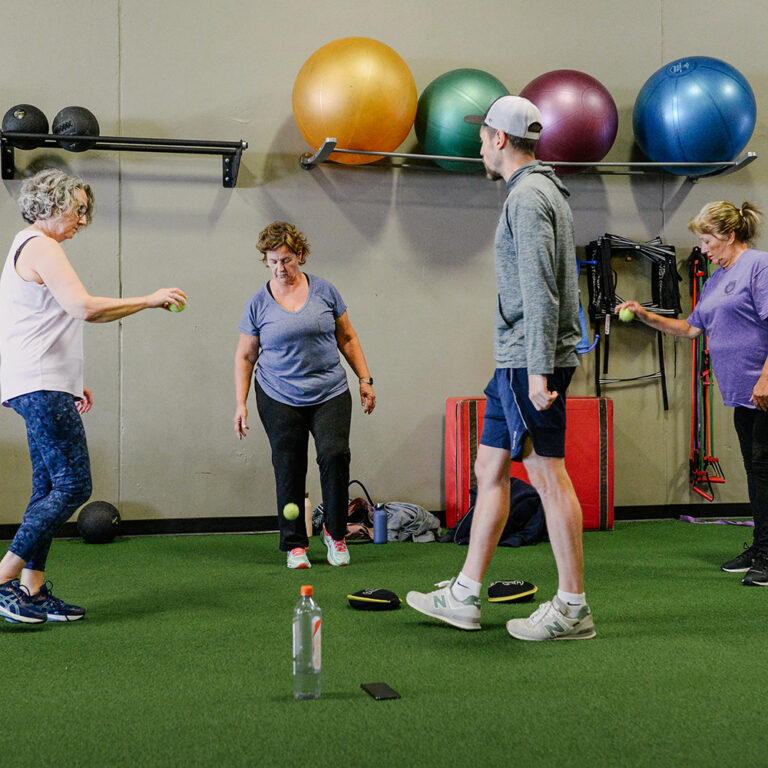
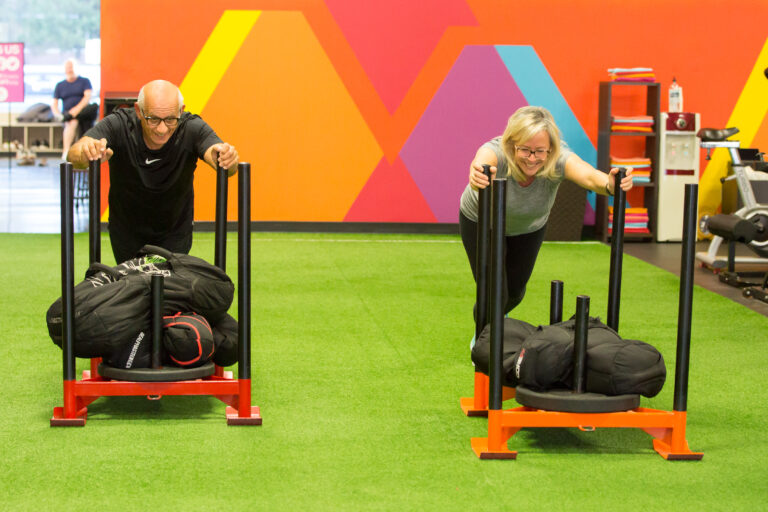
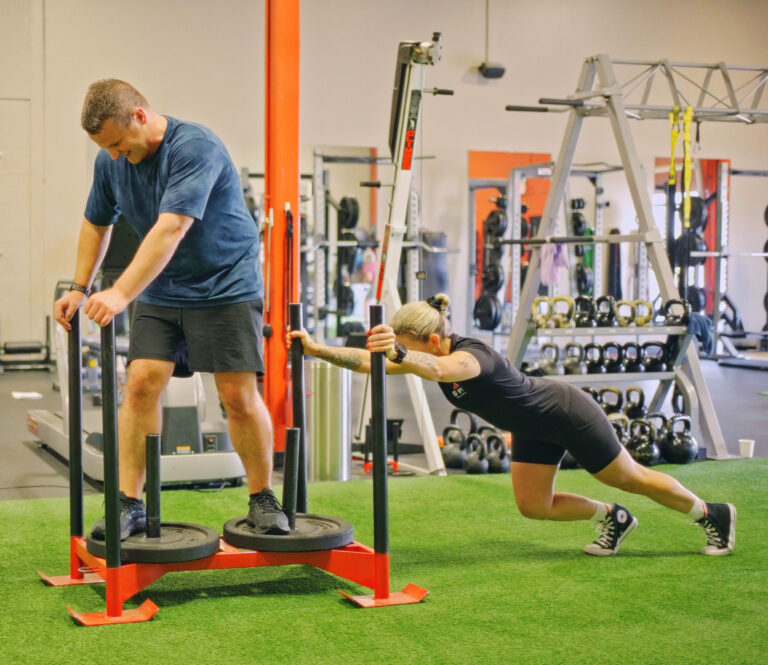
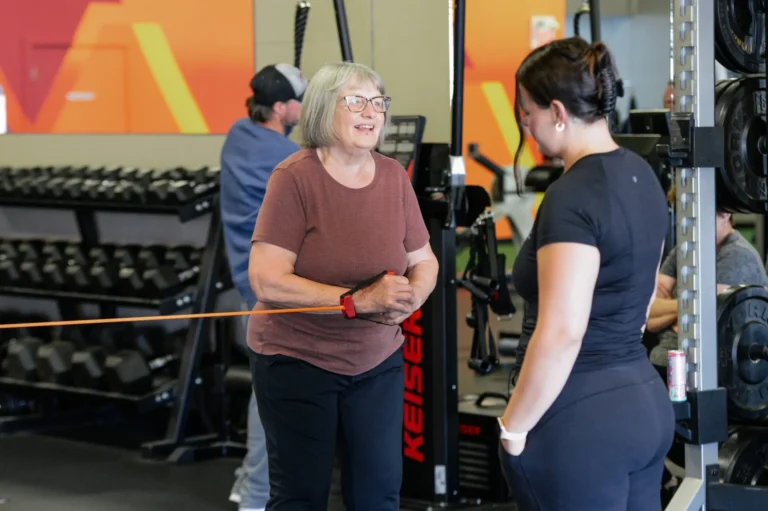
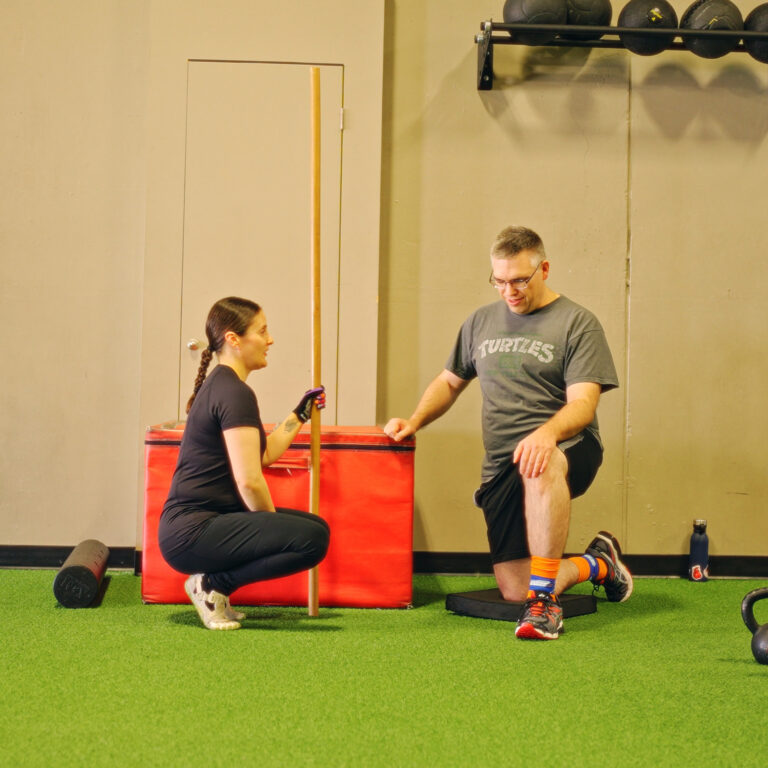
Many private gyms in Edmonton work through scheduled training sessions instead of unlimited open-floor access. Clients train independently with a coach, in semi-private sessions, or through personalized programming built around specific goals, limitations, and experience levels.
The atmosphere tends to feel noticeably different from the moment you walk in. Smaller member volume changes everything: less noise, fewer distractions, more equipment availability, and more direct interaction with coaches. Instead of navigating a crowded gym floor, clients move through sessions with far more coaching oversight and intentional programming.
Programming is another major distinction. Public gyms often rely on member independence. Private gyms usually place far more emphasis on progression, movement quality, recovery, and long-term consistency. Exercises are selected intentionally instead of randomly assembled from social media workouts or trending fitness challenges.
That approach becomes especially valuable for adults managing previous injuries, joint discomfort, mobility restrictions, or demanding work schedules. A structured private training environment removes many of the variables that make consistency difficult in larger gyms.
The Biggest Differences Between Private and Public Gyms
The equipment inside a public gym and a private gym can look surprisingly similar at first glance. Barbells, dumbbells, treadmills, cable systems, squat racks, and turf areas exist in both environments. The difference starts showing up in the day-to-day training experience.
Everything from noise levels and equipment access to coaching quality and workout structure changes depending on the type of facility. Those factors influence far more than convenience. They affect workout quality, focus, time efficiency, and long-term consistency.
For many adults in Edmonton, the gym environment itself becomes one of the biggest deciding factors in whether training turns into a sustainable routine or another short-lived membership.
Is a Private Gym Worth the Higher Cost?
Private gyms cost more than standard commercial gym memberships. There is no reason to avoid that reality. A $25–$80 monthly membership at a large public gym will almost always be cheaper than a private training facility with coaching and structured programming.
The more useful comparison is not the monthly price alone. The better question is: what is the person actually receiving in return?
In a public gym, the membership fee usually covers access to space and equipment. Everything else depends on the individual. Members are responsible for building programs, maintaining momentum, correcting technique, tracking progress, managing recovery, and staying motivated long term.
Private gyms operate differently because much of that responsibility shifts toward the coaching system itself. People are not simply paying for access to weights. They are paying for structure, accountability, exercise selection, progression planning, movement correction, and a training schedule that removes a large amount of decision fatigue. For busy adults, that efficiency matters.
Time becomes another major factor. A structured 50-minute session with a coach often produces more productive training than wandering through a crowded gym for 90 minutes without a clear plan. That difference becomes increasingly valuable for professionals, parents, and adults balancing full schedules in Edmonton.
Consistency also changes when training becomes scheduled and coach-led. Many people spend years paying for inexpensive gym memberships they barely use. Others restart fitness repeatedly every January, after vacations, after injuries, or after periods of burnout because nothing in their routine creates long-term adherence.
Injury management plays a role as well. Poor exercise selection, rushed technique, and inconsistent programming often lead to setbacks that interrupt progress entirely. Missing months of training because of preventable pain or overuse issues carries its own cost, both physically and financially.
That does not mean private gyms are necessary for everyone. Some people thrive in independent training environments. Others progress much faster once coaching, structure, and accountability become part of the equation.
The Best Gym Is the One You Can Stay Consistent With
Public gyms are not inherently bad. For experienced lifters who enjoy independent training, flexible schedules, and high-volume fitness environments, commercial gyms can work extremely well. The challenge is that many adults need more support, structure, and guidance than those environments are designed to provide. Having access to equipment is not always the same thing as having a system that produces long-term progress.
Training becomes easier to maintain when the environment removes friction instead of adding to it. Less waiting, fewer distractions, clearer programming, and direct coaching often make a bigger difference than people expect — especially for adults balancing work, recovery, injuries, and family schedules. That shift is one of the biggest reasons private gyms continue growing across the city. People are looking for coaching, accountability, and an environment built around progress rather than volume.
Ready to Experience a Different Kind of Gym?
SVPT Fitness & Athletics offers private and semi-private training in South Edmonton for adults who want a quieter, more structured, and coach-led approach to fitness.
The facility is designed for focused training, personalized programming, functional strength development, and long-term sustainability without the crowds and distractions of a traditional commercial gym.
Book a free Assessment of SVPT and experience how a private training environment can experience how a private training environment can make workouts more focused, consistent, and sustainable.

 Weight loss (fat loss) is the #1 reason people seek out a personal trainer. (Note: there is a difference between weight loss and fat loss, and most people want the fat loss, so we will continue with that phrase). And we will also note that everyone has a 6-pack, it’s just a matter of if we can see them or not.