How Resistance Training Builds Bone Density After 60 — And Why It Matters More Than You Think
Getting older doesn’t mean you have to give up strength training. Actually, it’s one of the things that can become more important as you get older.
After 60, staying strong can help you keep doing the things you enjoy. Getting up from the couch, carrying groceries, climbing stairs, playing with your grandkids, or simply feeling steady on your feet all require strength.
There’s another reason to pay attention to strength training, too: your bones.
As we age, bone density can decrease. For some people, that can lead to osteoporosis, a condition that makes bones more fragile and increases the risk of fractures. Resistance training can be one useful part of keeping your bones and body strong.
Your Bones Need a Reason to Stay Strong
It might seem strange to think of bones as something you can “train,” but they’re living tissue.
Your body is constantly breaking down old bone and replacing it with new bone. As you get older, that balance can shift. You may start losing bone faster than your body can replace it.
This is particularly important for women after menopause, when hormonal changes can speed up bone loss.
The good news is that your bones still respond to the demands placed on them.
When you lift weights or work against resistance, you’re putting a controlled amount of stress on your body. Over time, that stimulus can help support bone strength.
You Don’t Need to Lift Huge Weights
When people hear “strength training,” they sometimes picture someone throwing around heavy barbells in a busy gym.
That’s not what we’re talking about here.
Strength training for older adults can be much more straightforward.
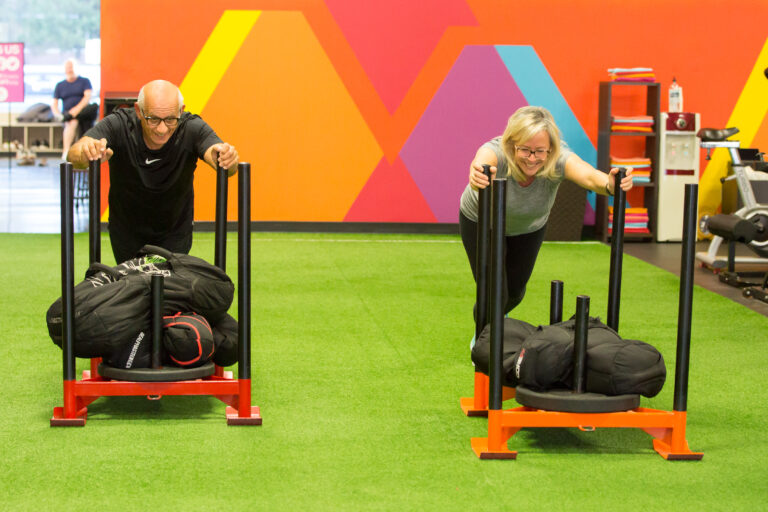
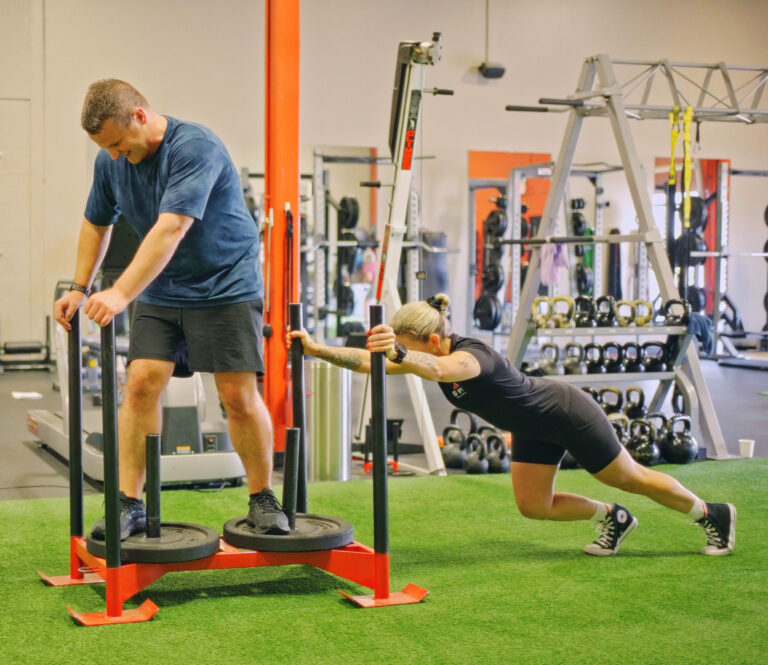
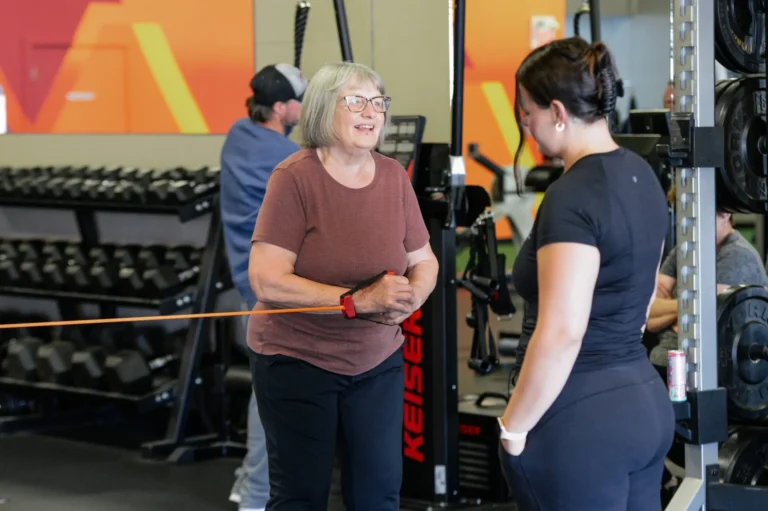
You might work on squats, rows, presses, step-ups, carries, or other movements using weights, resistance bands, machines, or your own body weight.
The important part is that the exercises are appropriate for you and become gradually more challenging as you get stronger.
That’s progressive overload. In simple terms, you’re giving your body a little more to handle over time.
It doesn’t mean going as heavy as possible.
What About Osteoporosis?
If you’ve been diagnosed with osteoporosis or have been told you have low bone density, strength training should be a priority.
It does mean your program deserves some extra thought.
Certain movements may need to be modified depending on your situation, and your trainer should know about any relevant health concerns before putting together your program. If you have osteoporosis or another medical concern, it’s also worth speaking with your healthcare provider about what types of exercise are appropriate for you.
This is where having proper guidance can make a real difference.
Instead of walking into one of the many Edmonton gyms and trying to copy whatever workout happens to be popular that day, you can have a plan that actually makes sense for you.
Why Women Over 60 May Benefit From Strength Training
Bone health is an especially important consideration for women as they get older.
The hormonal changes that happen during and after menopause can contribute to bone loss. That doesn’t mean every woman will develop osteoporosis, but it does give you another reason to take strength training seriously.
And women’s personal training shouldn’t be all about weight loss or appearance.
Maybe you want to feel stronger. Maybe you want to stay active with your family. Maybe you’re tired of feeling nervous about using weights at the gym.
Those are all worthwhile goals.
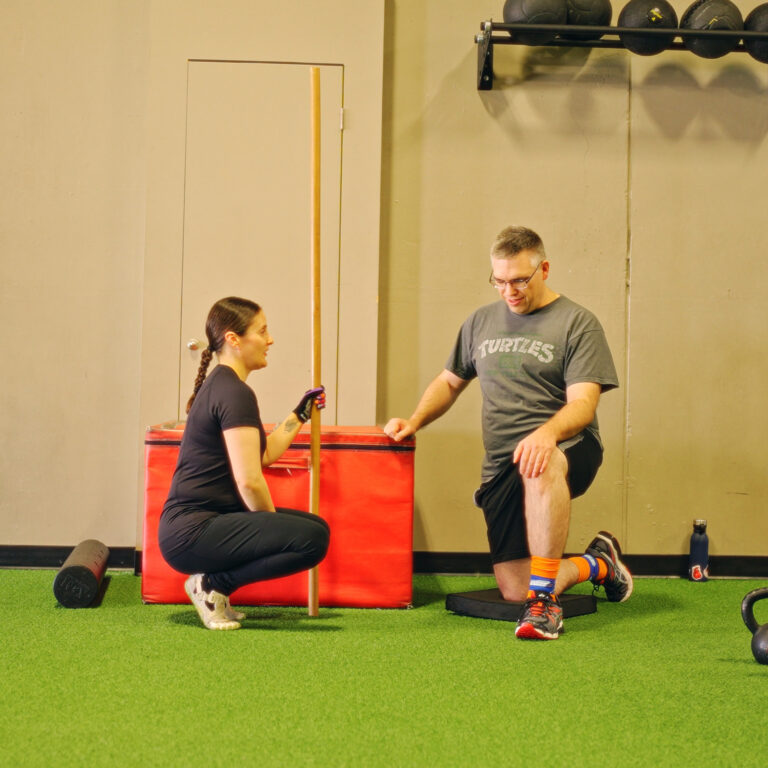
A good trainer will start with where you are rather than expecting you to fit into a pre-made workout.
Movement Over 60 Class: Keep Moving for the Life You Want
This is a big part of the idea behind the Movement Over 60 Class.
Getting older isn’t a reason to stop moving. If anything, maintaining your ability to move, lift, bend, carry, and get around confidently becomes more valuable.
The goal isn’t to turn every workout into a test.
It’s about building and maintaining the strength you need for your everyday life.
Some days you’ll feel great. Other days you might need to take things a little easier. Your training should be flexible enough to account for that.
Do You Need a Personal Trainer?
You don’t need a trainer to exercise. But if you’re new to strength training, unsure about technique, or concerned about how to exercise with osteoporosis or other limitations, professional guidance can be useful.
A Personal Trainer Edmonton residents can work with should be able to look at your starting point and help you figure out where to go from there.
For some people, that might mean working with a Private Personal Trainer who can give them individual attention throughout the session. For others, a small-group or senior-focused program may be a better fit.
The right choice depends on you.
That’s really the point.
Getting older doesn’t mean your fitness goals stop mattering. You can still get stronger, work on your mobility, and stay active. You just want your training to match your body, your experience, and the life you’re trying to live.
If you’re curious about where to start, consider booking an assessment with an SVPT trainer. You can talk through your goals, your experience, and any concerns you have before deciding what kind of training makes sense for you.