The Best Exercises for Osteoporosis: Keeping Your Bones Strong as You Age
As you get older, you might notice that some everyday activities take a little more effort than they used to. Carrying groceries, climbing stairs, or getting up from a low chair can become more challenging. Staying active can help you maintain the strength you need to keep doing these things comfortably.
Bone health is another reason to keep moving. Osteoporosis weakens bones and increases the risk of fractures. It’s particularly common in older adults, with women facing an increased risk after menopause.
So, what can you do to look after your bones as you age? Let’s start with exercise.
Why Bone Density Matters
Your bones are constantly rebuilding themselves. As you age, however, bone loss can start to outpace the body’s ability to replace it.
This is where resistance training can help. Working against resistance puts demands on your muscles and bones, providing a stimulus that can help maintain bone strength.
There’s another benefit, too. Stronger muscles can make everyday activities easier, while balance exercises can help you feel steadier on your feet.
You don’t need to spend hours in the gym to get started. The important thing is finding activities you can do consistently.
1. Strength Training
You don’t have to lift heavy barbells to benefit from strength training.
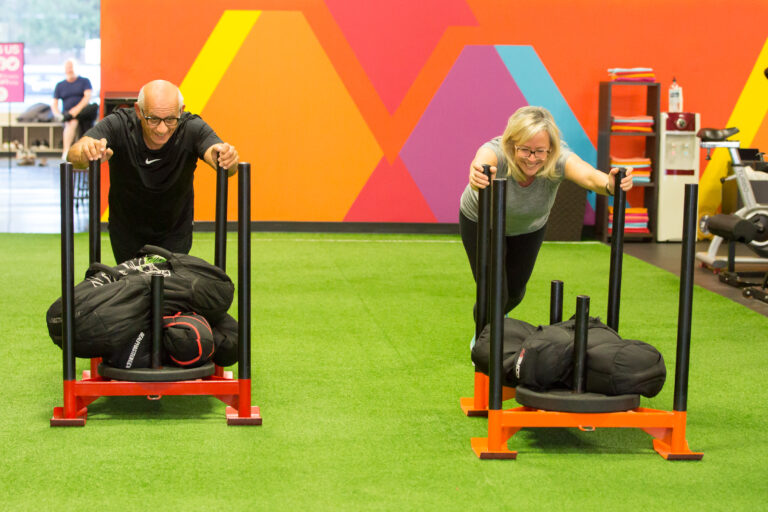
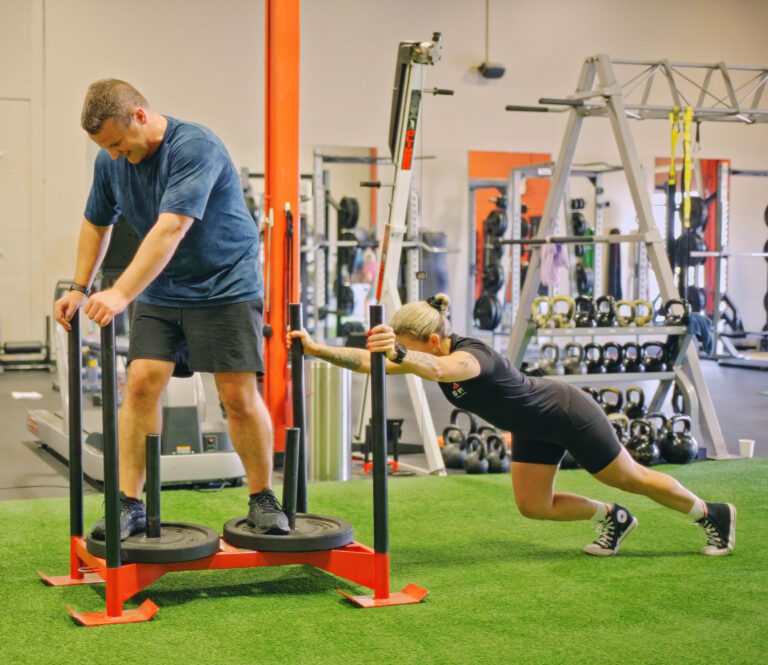
Simple exercises such as squats, rows, presses, and step-ups can help build the strength you use every day. Depending on your experience, you might use weights, resistance bands, machines, or your own body weight.
Start with a level that feels manageable while allowing you to maintain good technique. As you get stronger, you can gradually increase the challenge.
If you have osteoporosis or a history of fractures, get advice from your healthcare provider or a qualified exercise professional before starting. Some movements may need to be adjusted to suit your needs.
2. Walking and Other Weight-Bearing Activities
Walking is an easy place to start if you’re looking to become more active. Dancing and other weight-bearing activities can also complement your strength training routine.
These activities require your body to work against gravity, which provides a different stimulus from cycling or swimming. Both cycling and swimming are still useful for cardiovascular fitness, but they provide less direct weight-bearing benefit for your bones.
You don’t have to choose just one. A suitable mix of activities can help you work on different aspects of your health.
3. Don’t Forget Balance and Mobility
Being strong is great, but strength isn’t the only thing that helps you stay independent.
Balance and mobility matter when you’re walking on uneven ground, reaching for something on a shelf, or moving around your home.
Practising controlled movements and appropriate balance exercises can help you build confidence. If you’ve experienced falls, have significant balance difficulties, or have osteoporosis-related fractures, ask a qualified professional which exercises are safe for you.
Which Exercises Should You Be Careful With?
Osteoporosis doesn’t mean you have to avoid exercise. However, repeated or heavily loaded forward bending of the spine, forceful twisting, and some high-impact activities may not be suitable for everyone, particularly those with spinal fractures.
Your exercise plan should reflect your health history and current abilities. When you’re unsure about a movement, get professional advice rather than trying to push through it.
How Movement Over 60 Supports Longevity and Your Exercises for Osteoporosis
For many people, the goal isn’t to lift the heaviest weight in the gym. It’s to keep gardening, travelling, playing with the grandkids, and enjoying everyday life without feeling limited by their strength or mobility.
That’s the idea behind SVPT Fitness’s Movement Over 60 Class.
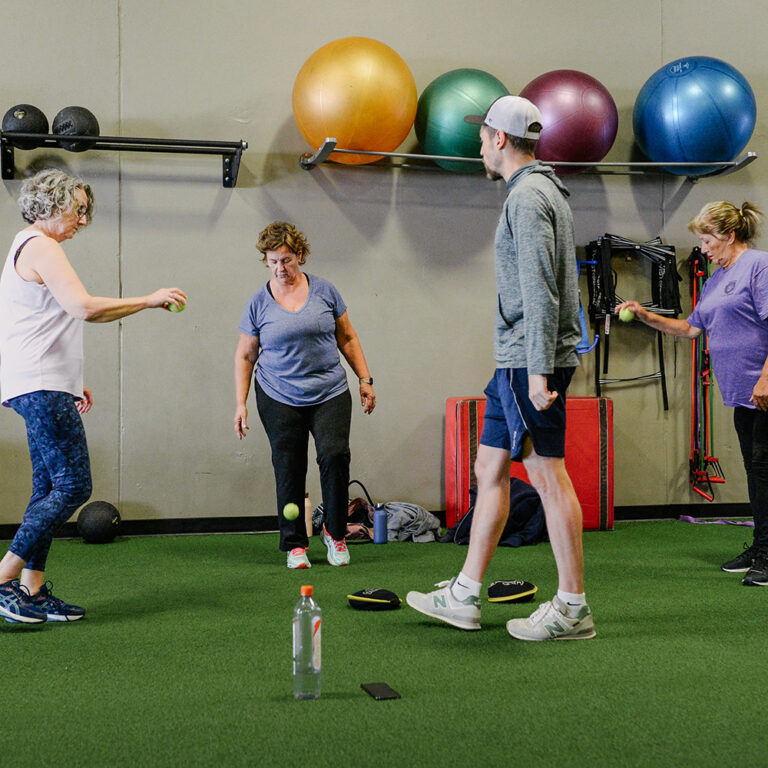
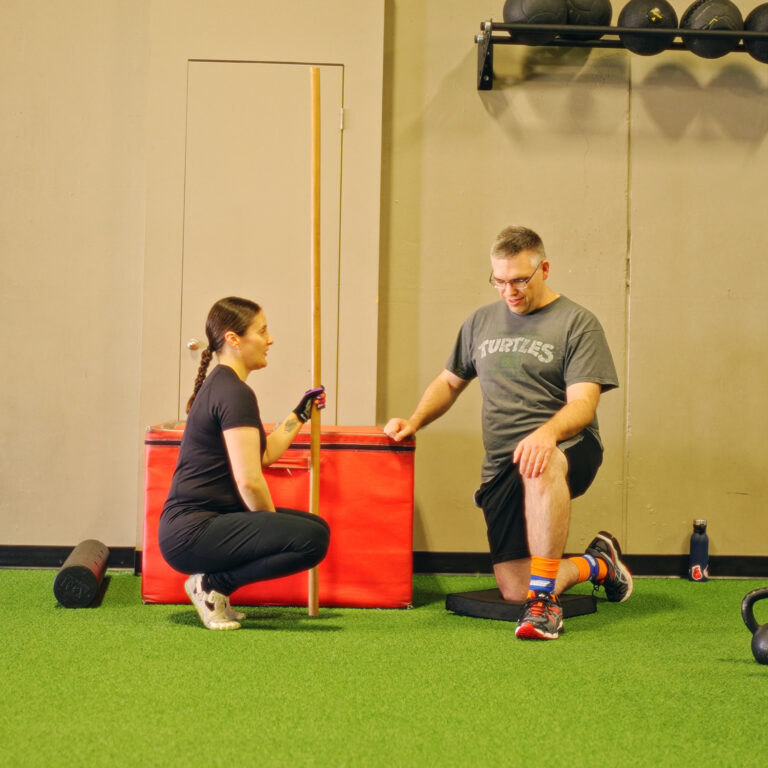
The class is designed for adults aged 60 and older, combining strength, power, mobility, stability, and balance in a small-group setting. Exercises can be adjusted to accommodate different abilities and experience levels.
It’s about building the strength and confidence to keep doing the things that matter to you. That’s an important part of longevity, too.
Do You Need a Personal Trainer?
If you’re new to exercise or unsure how to train with osteoporosis, working with a qualified professional can help you get started.
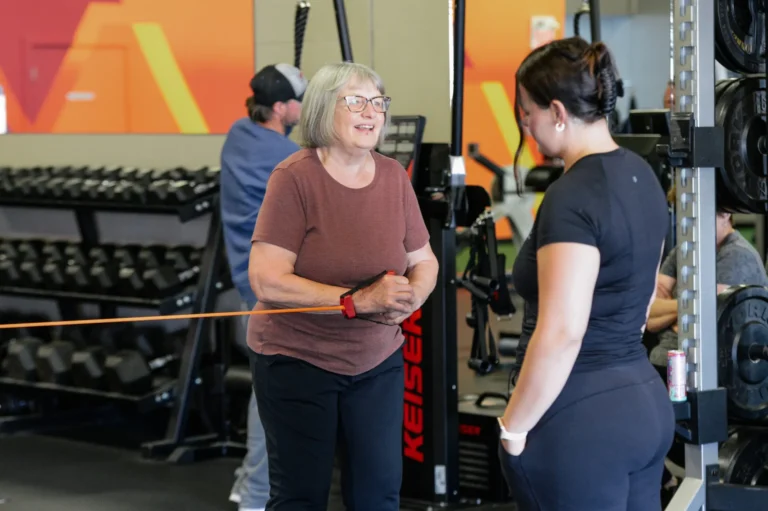
A private personal trainer can give you individual attention, help you learn proper technique, and adjust your program as you progress. A structured class may suit you better if you enjoy exercising alongside other people.
You don’t need to change your entire routine overnight. Start with what feels manageable and build from there.
If you’re interested in making bones stronger while improving your overall fitness, take a look at SVPT’s Movement Over 60 Class. You can also book a free assessment to discuss your goals and find an approach that works for you.